Gene Krupa
Biography
Eugene Bertram Krupa (January 15, 1909 – October 16, 1973) was a famous and influential American jazz and big band drummer, known for his highly energetic and flamboyant style.
Many consider Krupa to be one of the most influential drummers of the 20th century, particularly regarding the development of the drum kit. Many jazz historians believe he made history in 1927 as the first kit drummer ever to record using a bass drum pedal. His drum method was published in 1938 and immediately became the standard text. He is also credited with inventing the rim shot on the snare drum. Rhythm, the UK's best selling drum magazine voted Gene Krupa the third most influential drummer ever, in a poll conducted for its February 2009 issue. Voters included over 50 top-name drummers
Krupa was born Eugene Bertram Krupa to Polish parents in Chicago, Illinois. He began playing professionally in the mid 1920s with bands in Wisconsin. He broke into the Chicago scene in 1927, when he was picked by MCA to become a member of "Thelma Terry and Her Playboys", the first notable American Jazz band (outside of all-girl bands) to be led by a female musician. The Playboys were the house band at The Golden Pumpkin nightclub in Chicago and also toured extensively throughout the eastern and central United States.
Krupa made his first recordings in 1927, with a band under the leadership of banjoist Eddie Condon and "fixer" (and sometime singer, who did not appear on the records), Red McKenzie: along with other recordings beginning in 1924 by musicians known in the "Chicago" scene such as Bix Beiderbecke, these sides are examples of white "Chicago Style" jazz. The numbers recorded at that session were: 'China Boy', 'Sugar', 'Nobody's Sweetheart' and 'Liza'. The McKenzie - Condon sides are also notable for being the first records to feature a full drum kit.
In 1929 he moved to New York City and worked with the band of Red Nichols. In 1934 he joined Benny Goodman's band, where his featured drum work — especially on the hit "Sing, Sing, Sing" — made him a national celebrity. In 1938, after a public fight with Goodman at the Earl Theater in Philadelphia, he left Goodman to launch his own band and had several hits with singer Anita O'Day and trumpeter Roy Eldridge. Krupa made a memorable cameo appearance in the 1941 film Ball of Fire, in which he and his band performed an extended version of the hit Drum Boogie.
Movies 22
The Best Years of Our Lives
as Musician - Drum Solo (archive footage) (uncredited)
1946
The Glenn Miller Story
as Gene Krupa
1954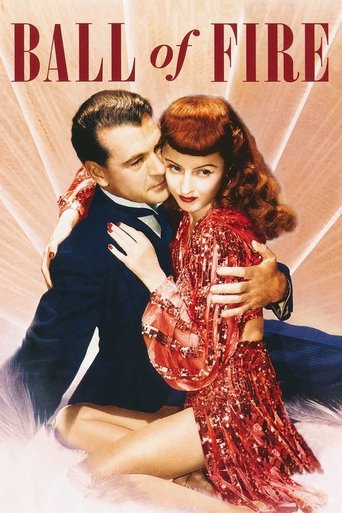
Ball of Fire
as Himself — Orchestra Leader
1941
Hollywood Hotel
as Benny Goodman Drummer (uncredited)
1938
The Benny Goodman Story
1956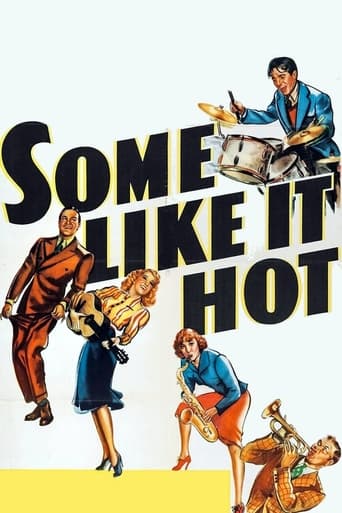
Some Like It Hot
as Gene Krupa
1939
George White's Scandals
as Gene Krupa
1945
Boy! What a Girl!
as himself
1947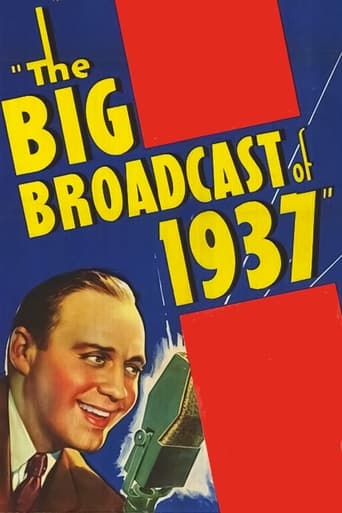
The Big Broadcast of 1937
as Band Drummer
1936
Allen in Movieland
as Self
1955
Syncopation
as Gene Krupa
1942
Make Believe Ballroom
as Self
1949
Beat the Band
as Himself
1947
Follow That Music
as Gene King
1947
Glamour Girl
as Gene Krupa
1948
Thrills of Music: Gene Krupa and His Orchestra
as Gene Krupa
1948
Smart Politics
as Himself
1948
Jazz Ball
as Self (archive footage)
1956
The Shining Future
as Self
1944
Gene Krupa: America's Ace Drummer Man and His Orchestra
as Self
1941
The Drummer Man
as Self
1947